

Water-Based Binders for Wood Coatings
The demand for high-performance wood coatings is evolving
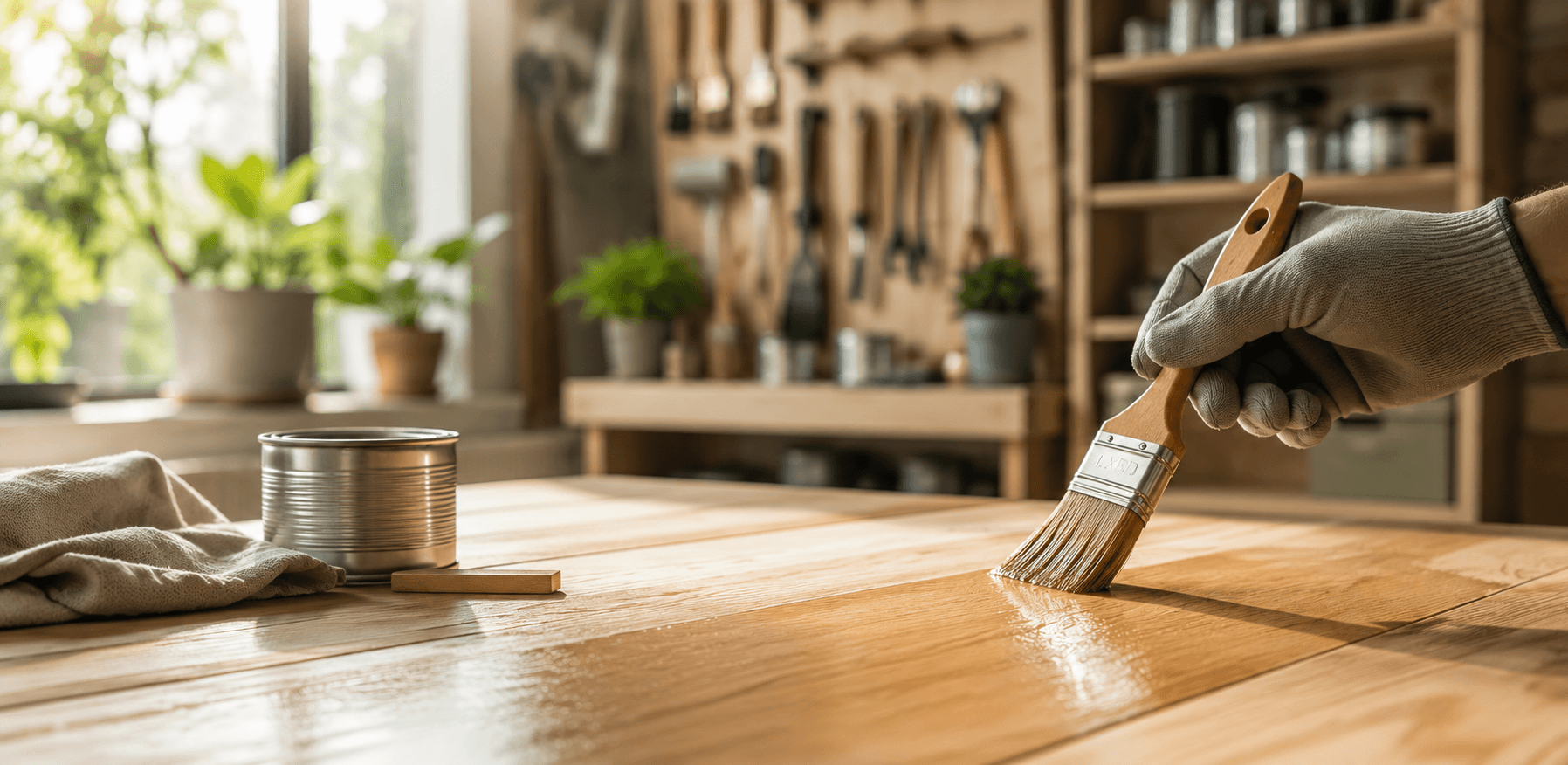
Wood remains one of the most versatile and sustainable materials used in construction, furniture and interior design. At the same time, manufacturers are facing increasing pressure to develop coatings that combine excellent performance with lower environmental impact.
As regulations become more demanding and customers expect longer-lasting finishes, water-based wood coatings have become the preferred solution for many applications.
The performance of these coatings depends on several components, but one of the most critical is the binder. Selecting the right water-based polymer dispersion determines not only the appearance of the final coating but also its durability, resistance and overall service life.
Why Water-Based Wood Coatings Continue to Grow?
The transition from solvent-based to water-based systems is driven by both environmental regulations and market expectations.
Today’s wood coatings are expected to deliver:
- Lower VOC emissions
- Improved indoor air quality
- Excellent durability
- Easy application
- Attractive natural appearance
- Compliance with environmental standards
Modern polymer dispersions allow manufacturers to achieve these objectives without compromising coating performance.
What Makes a Good Binder for Wood Coatings?
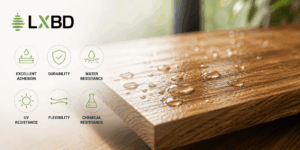
The binder acts as the backbone of every coating formulation. It forms the protective film that adheres to the wood surface and determines many of the coating’s functional properties.
A high-performance water-based binder should provide:
Excellent adhesion
Strong adhesion ensures long-lasting protection on different wood species and substrates.
Durability
Wood coatings must withstand daily wear, cleaning processes and environmental exposure while maintaining their integrity.
Water resistance
Moisture protection is essential for both interior and exterior applications, helping prevent swelling, degradation and premature failure.
UV resistance
Exterior wood surfaces require binders capable of maintaining colour stability and protecting the substrate against weathering.
Flexibility
Because wood naturally expands and contracts with humidity and temperature changes, coatings need sufficient flexibility to avoid cracking.
Chemical resistance
Furniture and flooring coatings often require resistance against household chemicals, cleaning agents and common stains.
Typical Applications of Water-Based Wood Coatings
Water-based polymer dispersions are widely used in numerous wood applications, including:
- Interior furniture
- Exterior furniture
- Doors and windows
- Wooden flooring
- Decorative panels
- Cabinets
- Joinery
- Timber structures
- Interior wood finishes
- Exterior wood protection systems
Each application requires a different balance between hardness, flexibility, weather resistance and appearance, making binder selection a key formulation decision.
Sustainability Without Compromising Performance
Sustainability has become one of the main drivers of innovation in the coatings industry.
Water-based technologies help manufacturers reduce VOC emissions while improving workplace safety and supporting increasingly demanding environmental certifications.
At the same time, advances in acrylic polymer dispersions allow formulators to achieve excellent film formation, durability and weather resistance, demonstrating that sustainability and performance can successfully go hand in hand.
How LXBD Supports Wood Coating Manufacturers
At LXBD, we develop high-performance water-based emulsions and polymer dispersions designed to support manufacturers in creating durable, sustainable and high-quality wood coatings.
Our technical team works closely with customers to identify the most suitable binder solutions according to application requirements, performance expectations and formulation objectives.
Whether the goal is improving durability, enhancing appearance or reducing VOC content, selecting the appropriate polymer dispersion is the first step towards a successful formulation.
FAQ
Why are water-based wood coatings replacing solvent-based systems?
They significantly reduce VOC emissions, improve workplace safety, comply with environmental regulations and provide excellent coating performance.
What properties should a binder provide in wood coatings?
The most important characteristics include adhesion, flexibility, water resistance, durability, UV resistance and chemical resistance.
Are water-based wood coatings suitable for exterior applications?
Yes. Modern acrylic polymer dispersions provide excellent weather resistance and long-term durability when properly formulated.
How do polymer dispersions improve wood coating performance?
They enhance film formation, adhesion, flexibility, weather resistance and overall coating durability while supporting low-VOC formulations.
Which binder is best for wood coatings?
The optimal binder depends on the application, substrate and required performance characteristics. There is no universal solution, which is why selecting the appropriate polymer dispersion is a critical part of formulation development.
Looking for the Right Binder?
Choosing the right binder is one of the most important decisions in developing high-performance wood coatings.
Explore LXBD’s Wood Portfolio and discover our range of water-based emulsions and polymer dispersions designed for modern wood coating applications.