

Applications of Polymer Dispersions in Construction
Applications, Benefits and Future Trends
The construction industry is undergoing a significant transformation driven by sustainability requirements, stricter environmental regulations and increasing performance expectations. In this context, polymer dispersions have become a key component in modern construction materials, helping manufacturers develop more durable, efficient and environmentally responsible solutions.
From architectural coatings and waterproofing systems to adhesives and cement modification, water-based polymer dispersions play a critical role in improving the applications of polymer dispersions in construction products while supporting the transition towards low-VOC and sustainable formulations.
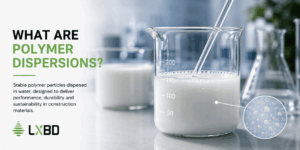
What Are Polymer Dispersions?
Polymer dispersions are stable systems in which polymer particles are dispersed in water. They are widely used as binders in applications of polymer dispersions in construction because they combine excellent performance characteristics with lower environmental impact compared to solvent-based alternatives.
Depending on the application, polymer dispersions can provide:
- Improved adhesion
- Enhanced flexibility
- Better water resistance
- Increased durability
- Lower VOC emissions
- Easier application
These properties make them an essential ingredient in many modern construction formulations.
 Key Applications of Polymer Dispersions in Construction
Architectural and Decorative Coatings
One of the most common uses of polymer dispersions is in interior and exterior paints. They act as the binder that holds pigments together and ensures proper adhesion to the substrate.
Benefits include:
- Excellent scrub resistance
- Weather durability
- Low VOC formulations
- Improved colour retention
- Enhanced coating flexibility
Waterproofing Systems
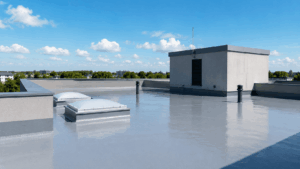
Waterproofing membranes and protective coatings rely on high-performance polymer dispersions to provide flexibility and long-term protection against moisture penetration.
Key advantages include:
- Crack-bridging capability
- Water resistance
- UV stability
- Improved substrate adhesion
Cement Modification
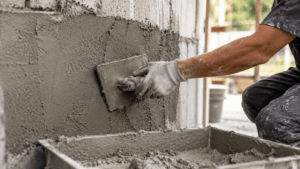
Polymer-modified mortars and cementitious products benefit from enhanced mechanical performance and durability.
Polymer dispersions help improve:
- Flexural strength
- Adhesion to substrates
- Impact resistance
- Reduced water absorption
Adhesives and Sealants
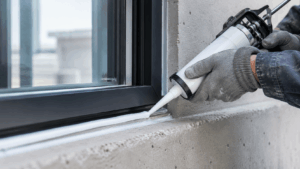
Construction adhesives require strong bonding performance across multiple substrates.
Polymer dispersions contribute to:
- Improved tack
- Higher bond strength
- Flexibility
- Long-term durability
Why Water-Based Polymer Dispersions Are Becoming the Industry Standard
As sustainability becomes a central priority across the construction sector, manufacturers are increasingly replacing solvent-based technologies with water-based alternatives.
Water-based polymer dispersions offer several environmental advantages:
- Lower VOC emissions
- Improved workplace safety
- Reduced environmental impact
- Easier regulatory compliance
- Better indoor air quality
At the same time, advances in polymer technology have enabled water-based systems to achieve performance levels that meet or exceed market expectations.
Choosing the Right Polymer Dispersion
Selecting the most suitable polymer dispersion depends on several factors:
- Substrate type
- Application method
- Environmental exposure
- Required durability
- Flexibility requirements
- VOC targets
A well-selected binder can significantly influence the final performance of the formulation and contribute to achieving both technical and sustainability goals.
How LXBD Supports Construction Material Manufacturers
At LXBD, we develop water-based polymer dispersions designed to meet the evolving demands of the construction industry.
Our solutions support manufacturers in applications such as:
- Architectural coatings
- Construction materials
- Waterproofing systems
- Decorative finishes
- Sustainable building solutions
Through continuous innovation and technical expertise, we help customers achieve the optimal balance between performance, durability and environmental responsibility.
Related Product Solutions
Recommended LXBD Product Categories
- Construction Materials
- Paints & Coatings
- Sustainable Water-Based Dispersions
Explore our solutions to discover how LXBD can support your next construction formulation.
Frequently Asked Questions
What are polymer dispersions used for in construction?
Polymer dispersions are used in coatings, waterproofing systems, adhesives, sealants and cement-modified products to improve adhesion, flexibility, durability and water resistance.
Why are water-based polymer dispersions preferred?
They offer lower VOC emissions, improved sustainability, regulatory compliance and safer handling while maintaining high performance levels.
Can polymer dispersions improve waterproofing performance?
Yes. High-quality polymer dispersions provide flexibility, crack-bridging properties and excellent resistance to water penetration.
How do polymer dispersions contribute to sustainable construction?
They enable low-VOC formulations, reduce environmental impact and support the development of more sustainable building materials.
Which polymer dispersion is best for construction applications?
The ideal solution depends on the specific application, performance requirements and formulation objectives. Technical consultation is recommended to identify the most suitable binder.
Whether you are developing coatings, waterproofing systems or advanced construction materials, LXBD can help you identify the optimal water-based dispersion for your formulation.
Contact our technical team to discuss your project and discover the next generation of sustainable construction solutions.